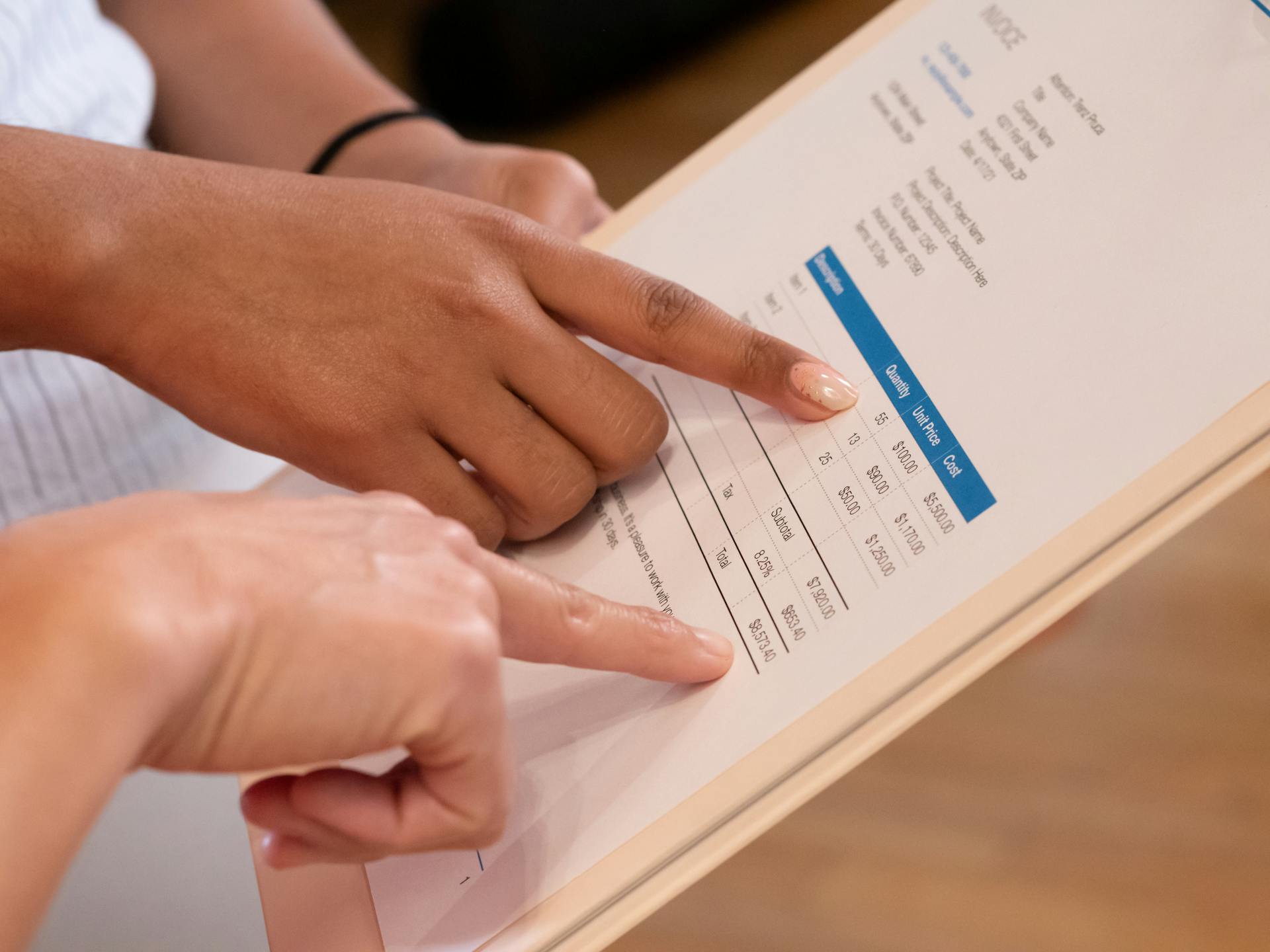
Most people sign the Bill of Lading on moving day without reading it. It is a long document, the crew is waiting, and the assumption is that it is just standard paperwork. That assumption costs some customers money. The Bill of Lading is the legal contract for your move, and what it says at the moment you sign it is what governs any dispute that comes after.
What the Bill of Lading Actually Is
The Bill of Lading is a document required by federal law for any interstate move. It serves three functions at once. It is the contract between you and the moving company. It is the receipt for your goods. And it is the document that records the condition and inventory of everything placed on the truck.
Your mover is required to give you a copy of the Bill of Lading before the move begins. You are not required to sign it until you have read it. If a mover pressures you to sign quickly without reviewing the document, that is worth noting.
What the Bill of Lading Contains
The document will typically include the following:
- Names and addresses – Your full name and the addresses for both origin and destination.
- Mover information – The company name, USDOT number, and MC number. These should match the company you hired.
- Pickup and delivery dates – The agreed pickup window and the estimated delivery date or window.
- Estimate type and price – Whether your estimate is binding or non-binding, and the quoted amount.
- Payment terms – When payment is due and what methods are accepted.
- Valuation coverage – The level of liability coverage selected, either released value protection or full value protection.
- Inventory – A list or reference to the inventory sheet prepared before or during loading.
- Exceptions and conditions noted – Any pre-existing damage recorded by the crew before loading.
Each of these sections matters. The valuation section alone determines what you can recover if something is damaged. The inventory section determines what the mover is responsible for delivering.
Released Value Versus Full Value Protection
The Bill of Lading will ask you to confirm which valuation option you selected. This is one of the most important choices you make during a move and one that many customers do not realize they made.
Released value protection is the default if you do not select otherwise. It is included at no additional cost. Under this option, the mover’s liability is limited to 60 cents per pound per article. A 50-pound television damaged during the move would be covered for 30 dollars, regardless of what it cost to buy.
Full value protection holds the mover responsible for the current market value of any item lost or damaged. This option costs more but gives you meaningful coverage if something goes wrong.
If you see released value protection on the Bill of Lading and did not intend to select it, raise the issue before the truck leaves. Changing the valuation option after the move is underway is not possible.
The Inventory Sheet and Why Condition Notes Matter
Before loading begins, the crew will note the condition of large furniture items on an inventory sheet. Marks like SC for scratched, CR for cracked, or F for faded indicate pre-existing damage. This sheet is attached to or referenced in the Bill of Lading.
Walk through the inventory sheet before you sign. If the crew has marked damage on a piece that was not damaged when they arrived, ask them to correct it. If you sign the Bill of Lading without reviewing the condition notes, you may not be able to make a damage claim for pre-existing marks later, because the document will show the damage was recorded before loading.
On the delivery side, note any new damage on the Bill of Lading before the crew leaves. Once the driver has your signature on the delivery receipt and the truck is gone, it becomes harder to establish that damage occurred during the move rather than before.
When the Price on the Bill of Lading Does Not Match Your Estimate
If the price shown on the Bill of Lading is higher than your binding estimate and the job did not change, do not sign until you have a written explanation. For a binding estimate, the mover cannot charge more than the quoted amount for the services originally described.
For a non-binding estimate, the final price may legally be higher based on actual weight, but federal rules state that the mover must deliver your goods if you pay 110 percent of the non-binding estimate, even if the final bill is higher. You have 30 days after delivery to pay the remaining balance above 110 percent.
Knowing this rule before moving day puts you in a better position if a discrepancy appears. Most reputable movers will not present you with a surprise charge, but having the knowledge of your rights means you do not have to agree to something that does not match what you were quoted.
Keep Your Copy
The Bill of Lading is a legal document. Keep your signed copy in a safe place until the move is fully settled, your belongings are accounted for, and any claims have been resolved. If a dispute arises, this document is your primary reference.
At Movers USA, every move includes a reviewed Bill of Lading and a complete inventory sheet. We walk customers through both documents before loading begins. If you have questions about the process or what to expect on moving day, our team is available before your move date to go through the details.