Moving involves more than packing boxes and loading trucks—it also means managing a surprising amount of paperwork. From contracts and receipts to medical records and identification, keeping your documents organized is essential for a smooth relocation.
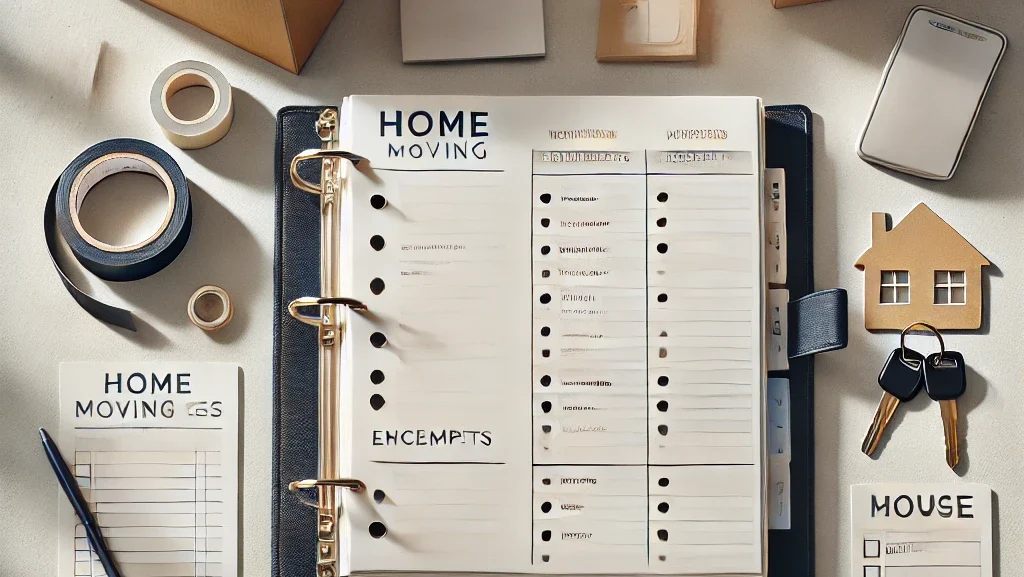
That’s where a moving binder comes in. A dedicated binder keeps all important paperwork in one place so you can quickly access what you need before, during, and after your move. According to moving experts, creating a central file for quotes, receipts, and checklists early in the process can significantly simplify planning and help ensure nothing gets lost in the chaos of moving.
In this guide, we’ll break down exactly what documents to keep in your moving binder, how to organize them, and why it can make your move far less stressful.
What Is a Moving Binder?
A moving binder is a physical or digital folder that contains all the documents related to your move. It acts as your command center—holding everything from moving company estimates to home closing paperwork.
Keeping these documents together is important because moving often requires frequent access to contracts, identification, and financial records. Experts recommend carrying these papers with you rather than placing them on the moving truck.
Many professional movers also suggest keeping digital backups (photos or scanned copies) in case documents are misplaced during the transition.
Essential Documents to Include in Your Moving Binder
Here are the most important categories to organize inside your binder.
1. Moving Company Documents
If you’re hiring professional movers, this section will likely become the most important part of your binder.
Include:
- Moving estimates and quotes
- Signed moving contracts
- The bill of lading (official moving agreement)
- Inventory lists of items being transported
- Insurance and valuation coverage documents
- Contact information for your moving coordinator
Having these documents handy ensures you can quickly confirm details like pricing, services, and delivery dates.
👉 Outbound resource: You can review federal guidance on choosing movers and understanding your rights at the Federal Motor Carrier Safety Administration’s moving checklist:
https://www.fmcsa.dot.gov/protect-your-move/moving-checklist
2. Personal Identification & Legal Records
Some documents should never go on the moving truck. Keep originals in your binder or a secure document pouch.
Important records include:
- Passports
- Driver’s licenses
- Social Security cards
- Birth and marriage certificates
- Divorce or legal custody documents
- Wills or power-of-attorney documents
These documents may be required for travel, school enrollment, or financial updates after your move.
3. Housing and Property Documents
Your moving binder should also include paperwork related to your current and future home.
Keep copies of:
- Lease agreements or rental contracts
- Mortgage or closing documents
- Home inspection reports
- Security deposit paperwork
- Property insurance policies
These documents are especially helpful if questions arise about move-out conditions or property details.
4. Financial and Moving Expense Records
Moves often involve unexpected expenses, and keeping track of receipts can save time and money—especially if your employer reimburses relocation costs.
Add these to your binder:
- Moving expense receipts
- Packing supply purchases
- Storage unit agreements
- Travel expenses (gas, hotels, tolls)
- Budget worksheets
Maintaining detailed records makes it easier to track spending and claim reimbursements.
5. Medical, School, and Pet Records
If you’re relocating with children or pets, this section will help your transition go smoothly.
Include:
- Medical records and vaccination history
- Prescription information
- Dental records
- School transcripts and report cards
- Veterinary records and vaccination certificates
These documents help ensure you can quickly register with new schools, doctors, and veterinarians after your move.
6. Utility and Address Change Information
When you move, you’ll need to update your address with numerous organizations.
Keep a checklist and confirmation records for:
- Utility transfers (electric, water, gas, internet)
- USPS change-of-address confirmation
- Bank and credit card updates
- Insurance providers
- Subscription services
A master address-change list helps you track what’s completed and what still needs attention.
How to Organize Your Moving Binder
To keep everything accessible and easy to manage, follow these tips:
Use tabbed sections
Create clearly labeled categories such as “Moving Company,” “Financial,” and “Medical.”
Add sheet protectors
Important documents should be protected from spills or tears.
Include a master checklist
Place a moving timeline or task list in the front of the binder so you can track progress.
Keep it with you on moving day
Never pack your binder in a box. Carry it personally to ensure your documents remain safe and accessible.
Why a Moving Binder Makes Your Move Easier
Relocations involve dozens of details happening at once. Without a system, paperwork can easily get misplaced or packed away accidentally.
A moving binder helps you:
- Stay organized throughout the moving process
- Quickly find contracts or receipts when needed
- Reduce stress on moving day
- Prevent lost paperwork
- Keep all essential documents secure and accessible
When everything is in one place, you spend less time searching and more time focusing on settling into your new home.
Let the Experts Handle the Heavy Lifting
While a moving binder keeps your paperwork organized, choosing the right moving company ensures the physical move goes smoothly too.
At Movers USA, we provide professional packing, transportation, and relocation services designed to make every move seamless and stress-free.
🚛 Planning a move soon? Contact our team today to experience a move handled with precision, care, and expertise.